


What Kind of Gas Does My Truck Take?
A Comprehensive Guide for GMC Owners on Fuel Requirements and Maintenance at GMC of Riverfront Park
One of the most commonly asked questions from truck owners is not, "How much can I tow?" or, "How much can my cargo box hold?" but rather, "What kind of gas does my truck take?" We know here at GMC of Riverfront Park that you want to avoid putting the wrong kind of fuel in your truck, not only because it's a hassle, but also because it can sometimes cause damage. Here's how to find out exactly what your GMC truck needs at the local fuel station.
Consult Your Owner's Manual First
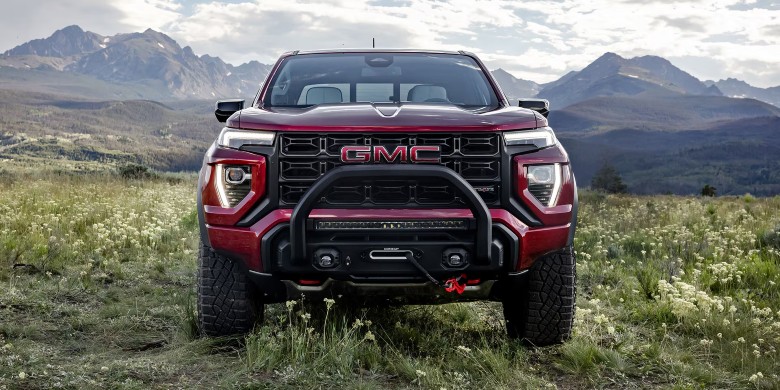
The owner's manual is the first place to look for information on what type of fuel to use in your truck. GMC trucks can have different fuel requirements depending on the engine and model, and the owner's manual will let you know whether your engine needs regular unleaded fuel, higher-octane fuel, or diesel. Most manufacturers post these PDFs on their websites, so even if you do not have the physical manual, you can find an accurate version online and bookmark it for later review.
Look for the Fuel Door Sticker
A shortcut that can spare you a long perusal of the owner's manual is to look inside the fuel door. For most vehicles, including most GMC trucks, you'll find an unobtrusive sticker inside the fuel door that lists the recommended fuel type and, in many cases, the minimum octane rating. This can be one of the simplest ways to confirm what your truck needs without any guesswork, especially if you are filling up a truck that is new to you or one that you have just purchased.
Regular Unleaded Versus Premium
Many GMC pickup trucks are designed to run on regular unleaded gasoline, which is typically rated 87 on the octane scale. However, some performance-oriented engines and trims may be designed to run on premium fuel rated at 91 octane or higher. Using premium octane fuel in an engine that is designed for regular octane fuel generally will not damage the engine, but it may not provide any meaningful benefit. The higher price of premium should not be paid unless it is recommended or specified by the manufacturer.
Why Octane Ratings Actually Matter
Octane rating is a measure of a fuel's ability to resist knocking, a form of abnormal combustion that can occur when fuel ignites unevenly in the combustion chamber. High-compression and some turbocharged engines may be designed to run on higher-octane fuel, and using a lower-octane fuel than recommended can reduce performance and, under certain conditions, potentially cause engine damage. For this reason, it is important to use the type of fuel recommended for your engine to help maintain long-term reliability.
Diesel Trucks Have Different Requirements
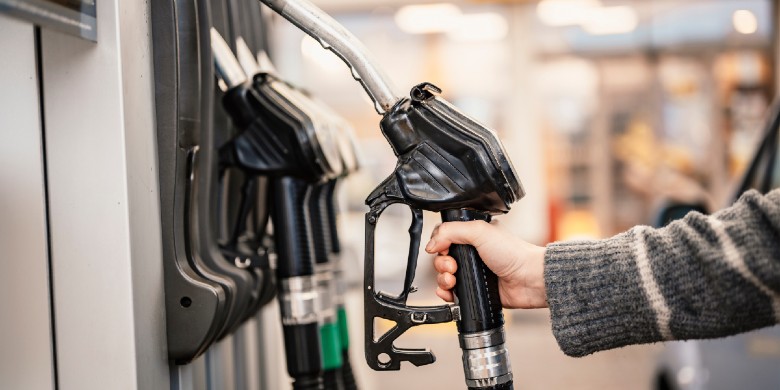
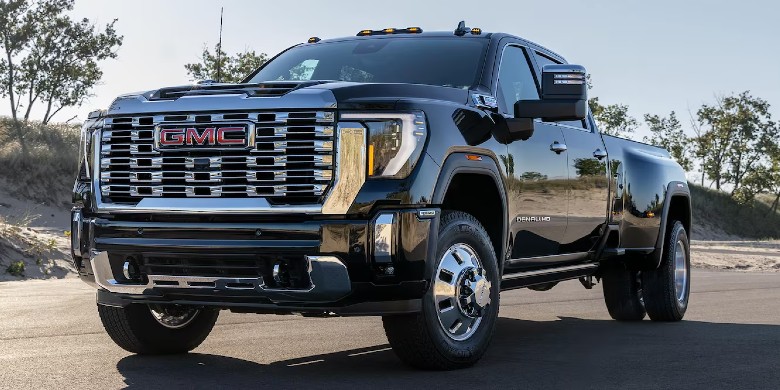
If you drive a diesel truck, the process is slightly different. Diesel engines require diesel fuel, and if you were to fill your GMC heavy-duty diesel truck with gasoline, it could cause serious damage to the fuel system and engine, potentially resulting in extremely high repair costs. Diesel fuel nozzles are typically larger and have special markings to help avoid these types of misfueling incidents, but be careful anyway, especially at fuel stations where an attendant might be fueling the truck for you or at places where you are not closely monitoring the fuel pump while it is being filled.
What to Do If You Put in the Wrong Fuel
In some cases, the effects of misfueling may not be immediately apparent, but using the wrong fuel can cause problems. Using fuel with a lower octane rating than recommended can result in reduced vehicle performance, knocking sounds during acceleration, or dashboard warnings. More serious situations, such as putting gasoline in a diesel engine, can cause substantial and costly damage.
If you suspect that the wrong fuel has been used, do not start or continue driving the vehicle. The best course of action is to have it inspected and, if necessary, have the fuel system drained before operating the vehicle.
When in Doubt, Just Ask
Fuel type can get a little tricky depending on the trim level, engine option, or model year. If you ever have a question about whether a particular GMC truck needs regular, premium, or diesel fuel, our service department is glad to check and clear up any uncertainty. It only takes a minute or two, but it could save you unnecessary stress or expense later.
Here at GMC of Riverfront Park, we want you to be confident every time you go to fill up your truck with fuel. After all, whether you're driving a gasoline-powered half-ton truck or a heavy-duty diesel-powered model, knowing exactly what fuel your truck needs is one of the simplest ways to help keep your truck running strong and smoothly, just as it should, for years to come.
Frequently Asked Questions
What type of fuel is recommended for my GMC truck?
Most GMC regular gasoline engines are designed to run efficiently on regular unleaded gasoline with an 87 octane rating. However, the high-performance 6.2L V8 engine requires premium unleaded gasoline rated at 91 octane or higher for optimal horsepower and torque. GMC diesel engines require Ultra-Low Sulfur Diesel fuel only and must never be filled with gasoline.
How often should I change the oil in my GMC truck, and what oil type is required?
GMC trucks use an intelligent Oil Life Monitor system that typically triggers an oil change reminder between 7,500 and 10,000 miles, or every 12 months. You must use full synthetic oil that meets GM's proprietary specification standards in the correct viscosity grade. Severe driving conditions like heavy towing or frequent short trips will require more frequent changes.
What maintenance intervals should I follow for heavy towing or severe-duty use?
Frequent towing, heavy payload hauling, or driving on dusty roads requires a severe-duty maintenance schedule to protect vital mechanical components. Under these conditions, you should inspect and replace transmission fluid, transfer case fluid, air filters, and brake components significantly earlier than standard intervals. Always refer to your owner's manual for specific mileage milestones tailored to your exact towing configuration.
Do GMC Duramax diesel trucks require Diesel Exhaust Fluid (DEF)?
All modern GMC Duramax diesel engines utilize a Selective Catalytic Reduction system that requires regular Diesel Exhaust Fluid to reduce harmful emissions. The DEF tank generally needs to be refilled every 5,000 to 7,000 miles, depending heavily on your payload weight and towing frequency. Allowing the DEF tank to run completely empty will result in the vehicle severely limiting its operating speed until refilled.
When should I replace other vital fluids and spark plugs?
GMC outlines specific long-term maintenance milestones in the owner's manual, such as flushing the brake fluid every 45,000 miles to prevent moisture accumulation. Spark plugs on standard light-duty gasoline engines are typically inspected and replaced around 97,500 miles. Additionally, the engine cooling system coolant should be drained and flushed at 150,000 miles alongside a complete accessory drive belt inspection.
GMC of Riverfront Park
Address:
636 E Sprague Ave, Spokane, WA 99202
Sales Phone: (509) 209-9966
Sales Hours:
Monday – Saturday: 9:00 AM – 7:30 PM
Sunday: 10:00 AM – 6:00 PM